Paint
Oil Paint
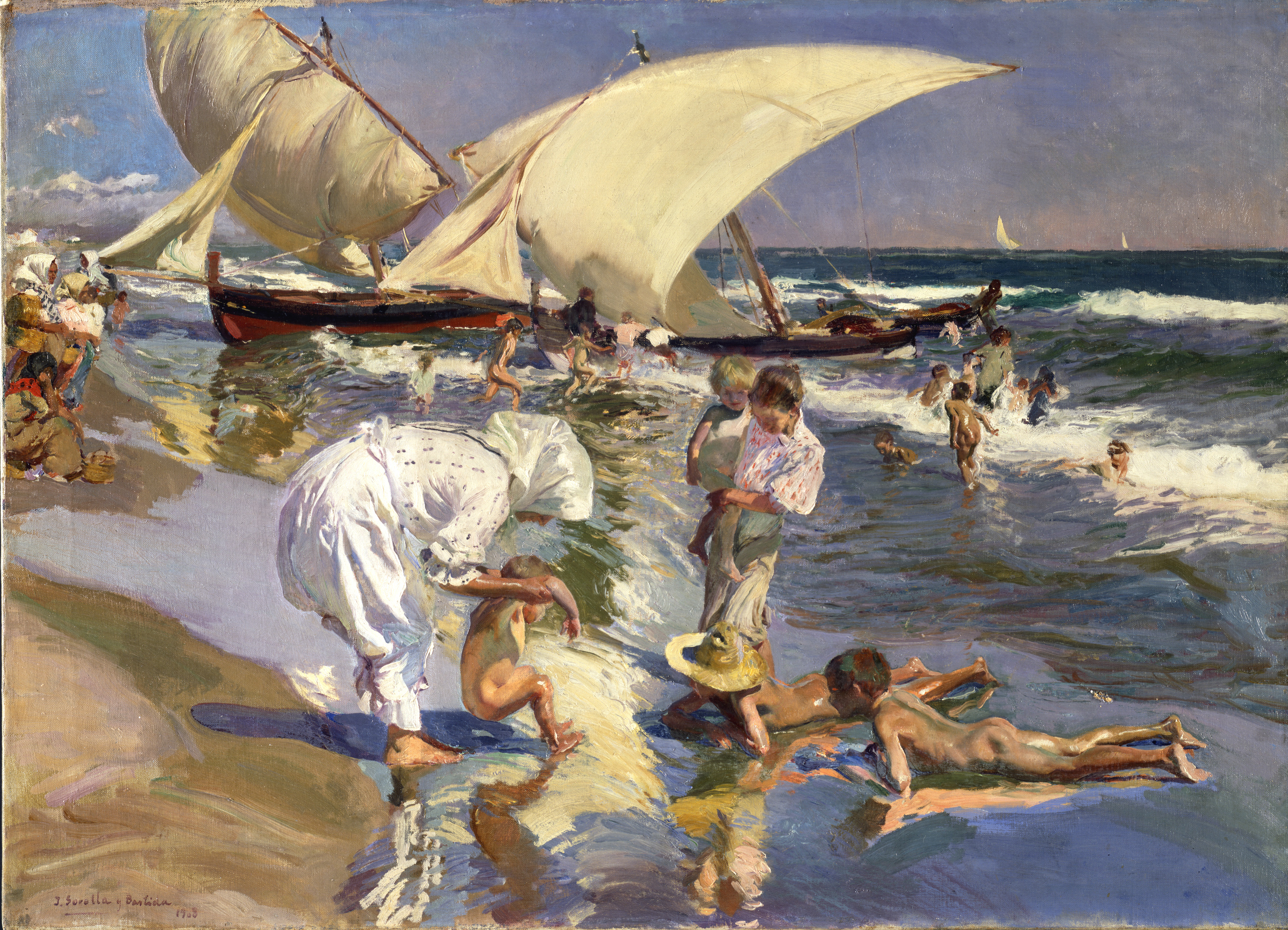
Oil paint is a slow-drying medium consisting of pigment particles suspended in a drying oil — most commonly linseed, walnut, or poppy oil. It has been the dominant painting medium in Western art for over six centuries, prized for its unmatched range of optical effects: from the luminous translucency of layered glazes to the sculptural physicality of impasto. No other medium offers oil paint's combination of extended working time, blendability, chromatic depth, and archival permanence.
What makes oil paint unlike anything else is time. The slow drying — days to weeks depending on the pigment and oil — is not a limitation. It is the medium's greatest gift. You can push paint across the canvas for hours. You can blend edges until they disappear. You can scrape back and begin again. You can glaze transparent colour over dried layers and build luminosity that goes deeper than the surface. Every optical effect that made the Old Masters impossible to ignore was built on this one property.
The fat over lean rule governs everything in oil painting: each successive layer must contain more oil than the one beneath, or the faster-drying lower layers will pull at the slower-drying upper ones and the paint film will crack. This is not a technicality. Paintings that ignore it fail structurally within decades. Paintings that follow it last centuries.
Oil paint rewards patience, planning, and a tolerance for uncertainty. The medium does not dry the same way twice — humidity, temperature, pigment chemistry, and ground absorbency all affect the result. Learning oil paint means learning to read the surface and respond to what is actually there, not what you planned.
◎
Paint
Acrylic Paint
Acrylic paint is a fast-drying medium in which pigment is suspended in an acrylic polymer emulsion. When wet it is water-soluble; when dry it forms a flexible, water-resistant, permanent film. Developed in the mid-20th century, acrylics are the newest of the major fine art painting media and the most versatile: they can be diluted to the transparency of watercolour, built to the texture of oil paint, or applied as solid, flat fields of colour. Their fast drying time, low toxicity, and wide range of available mediums made them the defining material of postwar American art and continue to make them the most widely used studio medium in the world.
Paint
Watercolour
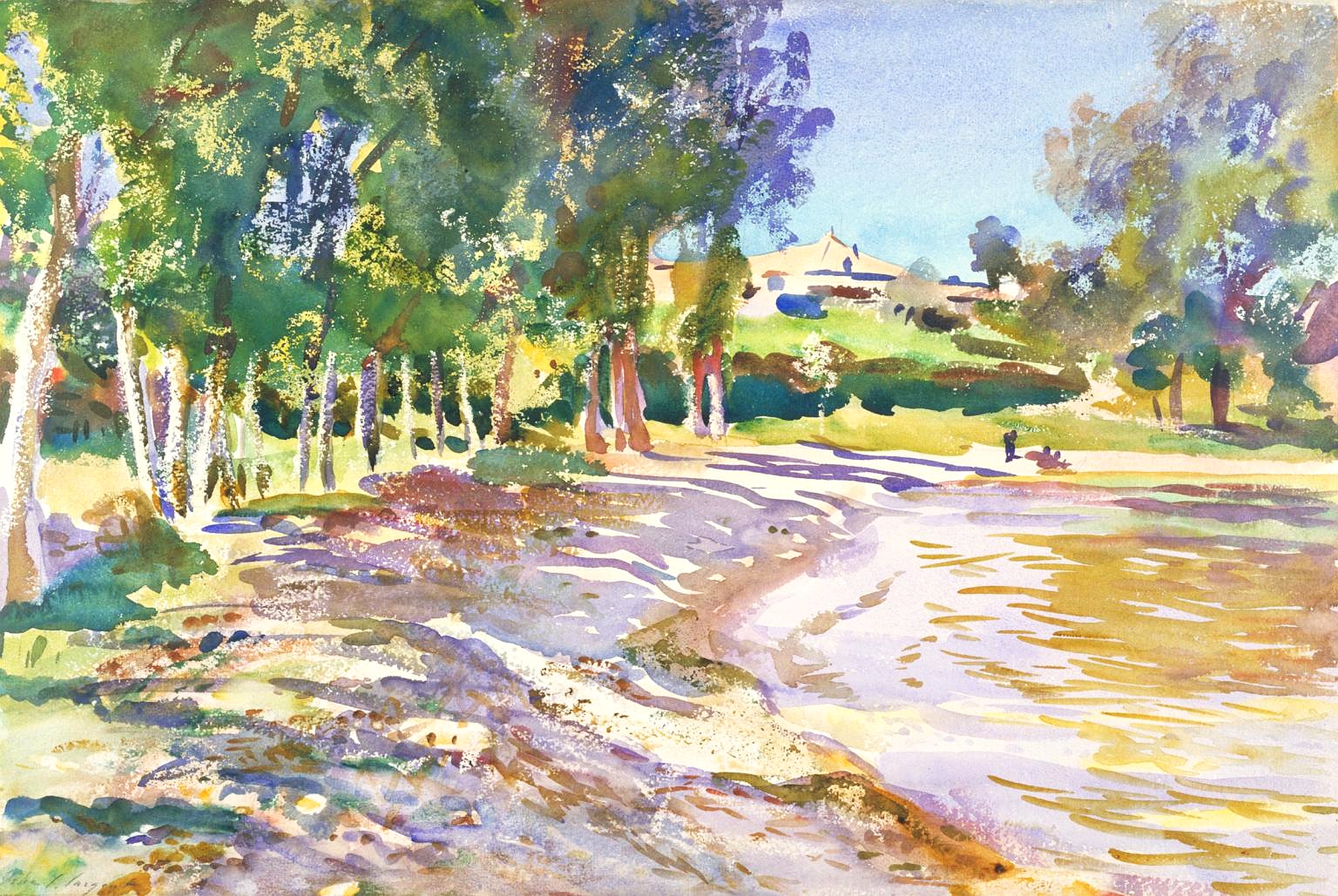
Watercolour is the only medium where your biggest tool is restraint. Pigment ground fine and suspended in gum arabic, dissolved in water, applied to paper — and what happens next is partly yours and partly not. That negotiation is the medium.
Unlike oil or acrylic, watercolour has no white paint. The white is the paper itself. This single fact changes everything about how you think: you plan backwards, protect your lights from the start, and build darkness in layers of transparent colour. You cannot cover a mistake. You can only move forward from it.
What separates watercolour from every other medium is its relationship with light. Because the pigment sits on top of — or slightly into — the paper fibre, and the paper reflects light back up through the transparent layers, finished watercolours have a luminosity that cannot be replicated. Scanned, photographed, printed — it always loses something. The original glows.
The medium rewards artists who can think three moves ahead and let go at exactly the right moment. That combination of planning and surrender is rarer than it sounds.
◎
Paint
Gouache
Gouache is watercolour that decided to stop being transparent. Same binder, same pigments, same water — but with the addition of chalk or other opaque fillers, it becomes a medium that covers completely and dries to a flat, velvety matte surface unlike anything else in painting.
The flatness is not a limitation. It is the point. Gouache does not mimic light the way oil or watercolour does — it describes it. Every shape is a decision. Every edge is deliberate. The medium demands clarity of thought because there is nowhere to hide: no texture, no gloss, no translucency to carry you through an uncertain passage.
Historically the medium of illustration, animation, and design, gouache is now experiencing a serious reconsideration as a fine art medium. Its opacity makes it the only water-based paint that works on toned or dark surfaces. Its fast drying and rewettable surface make it ideal for quick, direct colour work. And its matte finish photographs and reproduces better than almost any other medium — which in a visual culture driven by screens is not a trivial advantage.